
Insecure leadership is a problem within organisations and can spread quickly depending on the environment and culture of the organisation. We will all recognise the signs and symptoms of it, we will have either experienced an insecure leader ourselves or known someone who has. As leaders we must make sure we do not fall into the trap of perpetuating the phenomenon ourselves.
All leaders are incomplete leaders, and it is this which we must embrace and accept in order to not become the insecure leader. A large element of the solution arises through working on our emotional intelligence and self-awareness. Within this blog we will explore the phenomenon of insecure leadership, its causes and how we can avoid falling into this cycle.
Who are insecure leaders?
First, we must look at a definition for this, and to do this we must define the term insecure within the context of leadership. Insecure means to be uncertain or anxious about oneself, appearing unconfident. This in the context of leadership is to be uncertain or unsure about one’s abilities and, when combined with the responsibilities of leadership, causes anxiety around being found incompetent and uncapable of performing. This can lead to feelings of being threatened or at risk of losing one’s job. As a result, the leader can look to impose either an autocratic approach where they control the processes taking place in order to be in control of the outcomes, or on the flip side a Laissez-Faire approach where they take a complete step back from the team yet retain the plaudits for the outcomes of the team.

It is important to note at this point, that any leader can be an insecure leader, whether they are new to the role and level of responsibility or if they are highly experienced. The phenomenon of insecure leadership does not directly correlate with experience or tenure, instead it arises through an interplay between the environment the leader finds themselves within and the internal beliefs which they hold.
What causes insecure leadership?
Insecure leadership can be seen as an extreme example of imposter syndrome, which we explored in our first blog post which can be found here; < https://thelamda.co.uk/imposter-syndrome/>. Within this post we described the balancing act which can lead to persistent feelings of inadequacy through the following formula:

However, when it comes to the extreme case of insecure leadership there is another dimension we need to consider. This is an internal perception of the value through which others view your worth. Our formula therefore becomes:

This new dimension in itself is a combination of three individual elements:

Each of these three elements play a key role within one’s perceived worth and this comes in to play within the security equation in a big way. This seems complicated, however when we explore this further, we get a greater understanding of what our new dimension is and why this can cause insecure leadership.

Let’s take each one at a time and define them:
Self-Worth: this is an internal measure of how much one values themselves and their contributions. This is an intrinsic measure, separate from any external factors, however this can be built-up or broken by external factors and therefore there is a long-term interplay between each of these three factors. Self-Worth in this context is a measure of how much a leader believes their leadership contributes to the success and growth of the team.
Recognition: this is an external measure of how much one is recognised for their contributions. This is an extrinsic measure, it can feed into the self-worth measure however it can also have a detrimental impact, particularly if recognition is wrongly given in the long-term. Recognition in this context is a measure of how much a leader is provided with positive feedback for their contributions as a leader.
Awareness: this is pathway from the external recognition to the internal measure of self-worth. This is a cognitive process which takes the external recognition, reads it through the internal programming of one’s prior experiences, and stores it as evidence for you measure of self-worth.
So how do each of these interplay and lead to insecure leadership? Let us take an example where an experienced and capable leader has a high measure of self-worth, they believe their contributions are highly impactful and amplify the growth and development of their team, leading to a high level of productivity. However, they receive little recognition for this from their superiors. Their past experiences have caused their awareness mechanism to measure success and value through verbal or written means, the absence of which is therefore seen as a negative measure. This means that their perceived worth measure is reduced due to the interplay of their awareness and the lack of recognition reducing their self-worth measure.
Over time, in our example, our leader continues to receive little to no written or verbal feedback. This causes a slow and steady “chipping away” of their self-worth as they have received little recognisable evidence to back-up their original self-worth. However, one day they receive an email which questions a decision which they made. This is now a recognisable form of recognition, written word, which can be processed through their awareness as evidence of a negative self-worth!
Over time, the lack of positive recognition paired with a supply of negative recognition (in the form their awareness mechanism recognises) can cause the measure of self-worth to flip and thus cause the perceived worth measure to become negative!
When this is then considered within their security measure;

They hold a high position; a leadership position, and they have a high ability to perform this role, and over time have gained a vast amount of experience. Therefore, traditionally within the environment they are in they should feel secure within themselves, they would not in our view suffer from imposter syndrome. However, their perceived worth slowly decreased which caused a reducing measure of security, when the self-worth measure flipped, we now enter the realm of insecurity (a negative measure of security).
This is only one way in which this flip can happen, and it is a very simplified example. There are many stakeholders within a leaders’ life which can interplay with their perceived worth; their team members, their superiors, their wider circle at work as well as their home and family life. Physical fitness can also feed into one’s measure of self-worth which makes an individual more resilient to the reduction of their perceived worth.
Why does it happen?
You may or may not have heard “love languages” which are often used within relationship counselling. However, it is more than just a “love language”, this is the result of one’s upbringing and how one measures and processes the recognition they receive from others; be it positively or negatively. Our childhoods and experiences when we are young shape our “schema” within our brains, these formative years and the years leading up to our mid-to-late twenties form foundations upon which we view the world and process the stimuli we receive from the world around us.
The concept of “love languages” is a useful tool, be it simplified, for us to understand how we can become aware of not only our “preferred” mechanism of recognition, but also opens up our ‘eyes’ and minds to other mechanisms we would otherwise unconsciously ignore.
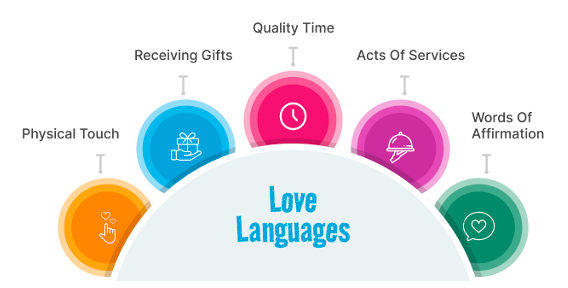
So, what are the “love languages” or mechanisms by which we could receive feedback and recognition through? For each of the “love languages” I will translate these into the world of work and mechanisms of feedback which one could use as recognition. It is essential that these approaches are adapted to the individual preferences and comfort levels of each team member to ensure that recognition efforts are genuinely appreciated.
1. Words of Affirmation
Verbal recognition and appreciation.
- Feedback and Praise: Regularly providing constructive feedback and praise for a job well done. Acknowledging achievements and contributions in team meetings or one-on-one discussions.
- Encouraging Notes: Send personalised thank-you notes or emails expressing gratitude for their hard work. Recognise specific strengths and how they’ve made a positive impact on the team.
- Public Recognition: Highlight accomplishments in front of the entire team or company. This could include shout-outs during company-wide meetings or through internal communication channels.
2. Acts of Service
Demonstrating appreciation through helpful actions.
- Assistance with Workload: Offer to help team members with their tasks or projects, especially during busy periods. Show that you’re willing to support them in achieving their goals.
- Professional Development Opportunities: Invest in growth by providing opportunities for skill development, workshops, or access to resources that will benefit their careers.
- Flexibility: Show understanding by offering flexible work arrangements when needed, such as remote work options or adjusted schedules to accommodate personal needs.
3. Quality Time
Spending meaningful time together.
- Regular Check-Ins: Schedule one-on-one meetings to discuss progress, challenges, and career aspirations. This demonstrates commitment to growth.
- Team Building Activities: Organise team-building events or activities to strengthen the bond within your team. This could be as simple as a casual lunch or a more elaborate offsite retreat.
- Mentorship and Coaching: Offer guidance and mentorship to help team members develop their skills and advance in their careers. Take the time to actively coach and support their professional development.
4. Gifts and Tokens of Appreciation
Thoughtful gestures and rewards.
- Recognition Awards: Present personalised awards or tokens of appreciation for hitting milestones, achieving goals, or consistently demonstrating exceptional performance.
- Gifts of Appreciation: Surprise team members with meaningful gifts or tokens on special occasions like birthdays, work anniversaries, or major accomplishments.
- Professional Growth Investments: Invest in growth by providing resources, books, or subscriptions that align with career interests and goals.
5. Physical Touch
Demonstrating care through physical actions (in a professional context).
- Handshakes and High-Fives: In a non-intrusive and culturally appropriate way, physical gestures like handshakes or high-fives can convey enthusiasm and recognition.
- Pat on the Back: In a non-intrusive and culturally appropriate way, use a friendly pat on the back or a reassuring touch on the shoulder to show support and encouragement.
- Team Celebrations: Organise team celebrations, like a group lunch or outing, to create a sense of camaraderie and physical connection among team members.
How can we avoid insecure leadership?
To help avoid insecure leadership, organisations need to help them to feel secure. This can be achieved by looking to do the following:
1. Self-Worth Enhancement
This can help to avoid the falling into insecurity, adding to their self-worth measure.
- Leadership Development Programs: By implementing leadership development programs that focus on building leaders’ self-confidence and self-awareness. These programs should encourage leaders to reflect on their contributions and understand their value to the team, alongside the value their team brings to them.
- Regular Self-Assessment: Encourage leaders to engage in regular self-assessment exercises. They should identify their strengths and areas for improvement, helping them recognise their value and impact on the team, as well as where the team adds value to them.
- Mentorship and Coaching: Provide leaders with mentors or coaches who can offer guidance and support to boost their self-worth. Regular feedback and encouragement from these mentors can reinforce their belief in their leadership abilities.
2. Recognition and Feedback
Providing the form is recognised within the awareness processing mechanism of the leader, this can be added to their recognition measure and reinforce their self-worth.
- Feedback Culture: Fostering a culture of continuous feedback within the organisation. Encourage leaders to provide constructive feedback to their team members and encourage their team members to provide feedback. With leaders receiving feedback from their peers and superiors they can gain constructive criticism and positive reinforcement on a regular basis they can gain recognition.
- Recognition Programs: Establish formal recognition programs that acknowledge employees, including leadership contributions. These can include awards, certificates, or public acknowledgment during team meetings.
- 360-Degree Feedback: Implement 360-degree feedback assessments for leaders, which include feedback from team members, peers, and superiors. This comprehensive approach ensures that recognition is well-rounded and accurate.
3. Building Awareness
This should help to open leaders up to providing and receiving recognition in multiple ways.
- Leadership Workshops: Conduct workshops on self-awareness and emotional intelligence for leaders. These workshops can help leaders understand how their external recognition is processed internally and how it influences their self-worth.
- Peer Recognition: Encourage peer-to-peer recognition among leaders. When leaders recognise each other’s contributions, it provides a unique perspective that can strengthen their awareness of their value.
- Regular Communication: Promote open and transparent communication between leaders and their superiors. Ensure that leaders receive timely and honest feedback on their performance and contributions.
4. Position, Ability, and Experience
This needs to be internal processes which help to promote and train talented leaders, and provide an environment of safety and security for leaders to experiment and develop.
- Skill Development: Invest in the continuous development of leadership skills. Offer training and resources to help leaders improve their abilities, which will enhance their perceived worth within the organisation.
- Clear Career Paths: Provide leaders with a clear understanding of their career progression within the organisation. This clarity regarding their position and potential growth can enhance their sense of security.
- Diverse Experiences: Encourage leaders to take on diverse roles and projects within the organisation to broaden their experience and expertise. This can boost their confidence in their abilities and contribute to their perceived worth.
By implementing this action plan, organisations can create an environment where leaders feel secure, valued, and motivated to contribute to the success and growth of the team. This holistic approach addresses the components of perceived worth, while also considering the factors of position, ability, and experience.
Christopher Waters
Founder of LAMDA Solutions
For information about how LAMDA Solutions can help you on this journey, please get in contact with us, or explore more about the LAMDA Way and our L-E-A-D-E-R Process.